Running ads can be an effective way for a small business to generate leads and sales, but only if the website is prepared to support that traffic. Before investing in paid advertising, it is important to make sure your site is structured to guide visitors toward a clear outcome.
Many small businesses focus on ad platforms, budgets, and targeting, while overlooking what happens after someone clicks. If the website does not have a clear flow, paid traffic often results in wasted spend and low conversion rates.
This guide covers the most important website fixes small businesses should make before running ads, with a focus on creating a dedicated conversion flow.
Why Small Business Websites Need a Dedicated Flow
Visitors coming from ads usually have a specific goal in mind. They are responding to a particular message, offer, or problem and expect the website to reflect that intent.
When ad traffic is sent to a general page with multiple paths and messages, visitors are forced to decide what to do next. This added friction often causes them to leave without taking action.
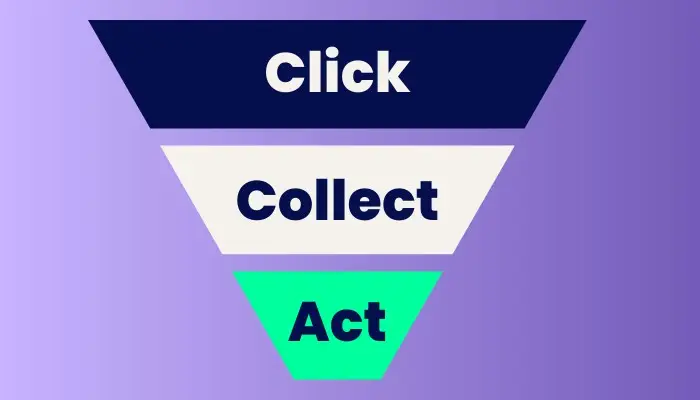
A dedicated flow removes that friction by guiding visitors through a single, clear path from click to conversion.
What a Dedicated Website Flow Looks Like
A strong paid traffic flow for a small business is simple and intentional:
- Ad
- Landing page
- Single call to action
- Confirmation or thank you page
Each step supports the next. The ad sets expectations, the landing page reinforces the message, the call to action provides direction, and the confirmation page completes the experience and allows results to be measured.
Website Fixes to Make Before Running Ads
Use Purpose Built Landing Pages
Small businesses see better results when ads send traffic to pages built for one offer and one audience. Purpose built landing pages tend to convert better than broad service or homepage traffic.
Avoid Using the Homepage as an Ad Destination
Homepages are designed to explain the business as a whole. Paid traffic performs better when directed to a focused page with a single goal.
Limit Each Page to One Primary Action
Every landing page should focus on one action, such as submitting a form, booking a call, or making a purchase. Multiple actions often reduce clarity and conversion rates.
Align the Page Message With the Ad
The headline and content on the landing page should clearly reflect what was promised in the ad. Strong alignment helps build trust and keeps users engaged.
Reduce Unnecessary Friction
Forms should only ask for information that is necessary at that stage. Longer forms and extra steps can discourage users from converting.
Make Sure Conversions Are Trackable
Before launching ads, confirm that key actions like form submissions or purchases are tracked correctly. This data is essential for understanding performance and making improvements.
When a Small Business Website Is Ready for Ads
A small business website is better prepared for paid advertising when each campaign leads to a purpose built page, the next step is obvious, and conversions can be measured consistently.
At that point, ads are used to scale what already works instead of exposing gaps in website structure.