The Denver real estate market is competitive. With thousands of licensed agents operating across the metro area, the challenge isn’t just closing deals, it’s getting in front of the right buyers and sellers before your competition does. Digital marketing for Denver real estate agents has become one of the most essential tools for building visibility, generating leads, and staying top of mind in a crowded market.
This post breaks down three of the most impactful marketing channels for Denver real estate agents: Google Ads, social media advertising, and local SEO.
Google Ads: A Powerful Tool for Marketing for Denver Real Estate Agents
When someone in Denver types “homes for sale in Wash Park” or “Denver real estate agent” into Google, paid search ads are the first thing they see. Google Ads puts your name and listings at the top of those results immediately and reliably.
For real estate agents, paid search works especially well because the intent is high. Someone searching for a real estate agent is already in the market. They are not casually browsing, they are looking to make a move, literally.
What to advertise: The most effective Google Ads campaigns for agents typically focus on neighborhood-specific searches (“homes for sale in Capitol Hill”), service-based searches (“Denver buyer’s agent”), and transactional searches (“sell my home Denver”). These keywords signal that the person is ready to take action.
What to expect: Google Ads requires a budget, and real estate is one of the more competitive industries in paid search. That said, even a modest monthly spend can generate qualified leads if campaigns are built and managed well. The key is targeting the right keywords, writing compelling ad copy, and sending clicks to a landing page that’s designed to convert, not just your homepage.
One thing agents often overlook: Running ads to a generic website page rarely performs well. A dedicated landing page with a clear call to action (like a home valuation tool or a free buyer’s consultation offer) will convert significantly better.
Social Media Advertising for Denver Real Estate Agents
Facebook and Instagram remain two of the most powerful platforms for real estate marketing, largely because of how precise their targeting is. Unlike search ads, which capture people who are already looking, social ads let you reach people before they’ve started searching and plant the idea that you’re the agent to call when they’re ready.
Facebook Ads work particularly well for:
- Promoting open houses and new listings to people in specific Denver zip codes
- Running lead generation campaigns that collect contact information directly within Facebook
- Retargeting people who have visited your website but haven’t reached out yet
- Building brand awareness in specific neighborhoods you want to be known in
Instagram is a natural fit for real estate because the product is inherently visual. Well-produced listing photos, neighborhood reels, and behind-the-scenes content about the buying or selling process all perform well on Instagram. Boosting high-performing organic posts with paid spend is a low-effort way to extend your reach.
A note on consistency: Social media advertising works best when it’s part of an ongoing strategy rather than a one-time push. Agents who run ads consistently, even at a modest budget, tend to build stronger name recognition over time than those who advertise in bursts around specific listings.
Facebook Groups: A Free but Underused Tool
Beyond paid advertising, many Denver real estate agents are quietly building their businesses through Facebook Groups. Denver has a large number of active neighborhood and community groups where residents ask questions, share recommendations, and discuss local happenings. Groups like Denver Neighbors, specific Nextdoor-style community pages, and neighborhood-specific groups for areas like Washington Park, Congress Park, or Stapleton can have tens of thousands of members.
The key is showing up as a helpful resource rather than advertising directly. Agents who answer questions about the market, share genuine insight about what’s happening with home prices, or offer useful information about the buying and selling process tend to build real trust over time. That trust translates into referrals and direct messages when someone in the group is ready to make a move.
A few things to keep in mind: most neighborhood groups have rules against direct promotion or listing spam, so read the group guidelines before posting. The agents who get the most out of Facebook Groups are the ones who engage consistently and authentically.
Local SEO for Denver Real Estate Agents
Search engine optimization is a longer-term play than paid ads, but the results compound over time. When your website ranks organically for searches like “Denver real estate agent” or “homes for sale in Highlands Denver,” you’re getting traffic without paying for every click.
Google Business Profile: If you haven’t claimed and optimized your Google Business Profile, that’s the first thing to do. This is what appears when someone searches your name or finds you on Google Maps. A complete profile with reviews, photos, your service areas, and accurate contact information helps you show up in local search results and builds credibility with potential clients.
Your website: For local SEO to work, your website needs to be built around the right keywords. That means having pages dedicated to specific neighborhoods or communities you serve, not just a generic homepage. A Denver agent who has a well-written page about buying a home in LoHi is much more likely to rank for searches related to that neighborhood than one whose website just says “Denver real estate.”
Reviews: Google reviews are one of the most significant factors in local search rankings. Every satisfied client is an opportunity to strengthen your online presence. Making it easy for clients to leave a review — by sending them a direct link after closing — is a simple habit that pays off over time.
Content: A blog or resource section on your website that addresses common questions buyers and sellers have in Denver (“What’s the average home price in Denver?” or “How long does it take to buy a home in Colorado?”) can attract organic traffic from people who are early in their research. Over time, this content builds trust and brings people into your orbit before they’re ready to call an agent.
Putting It All Together
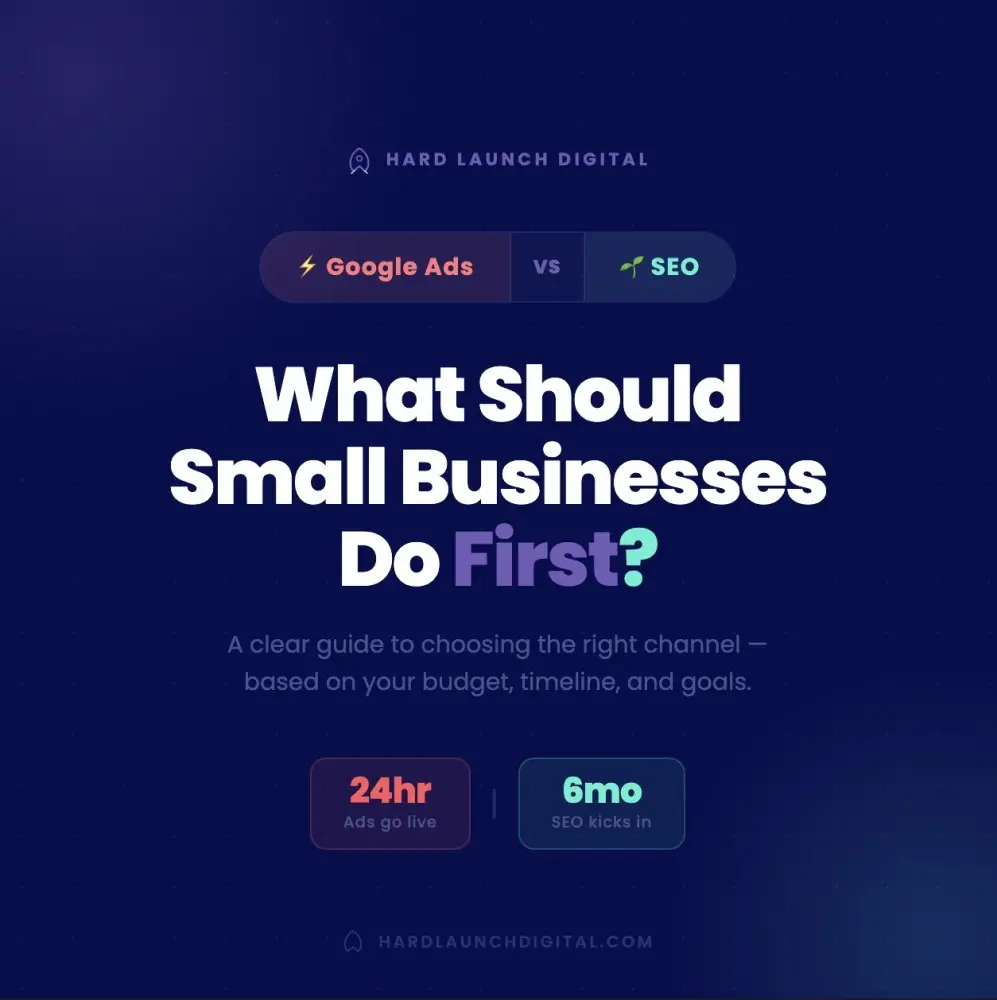
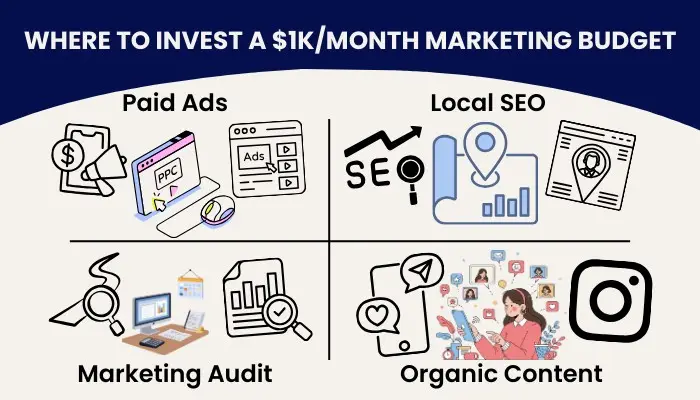
Each of these channels serves a different purpose within a broader digital marketing strategy for Denver real estate agents. Google Ads captures demand that already exists. Social media advertising creates demand and builds awareness. Local SEO builds long-term, compounding visibility that doesn’t go away when you stop paying for it.
The most effective marketing for Denver real estate agents isn’t choosing just one of these channels, it’s using a combination of them in a way that makes sense for your budget and goals.
If you’re not sure where to start or how to allocate your marketing dollars, that’s exactly the kind of question we help with.
Ready to put digital marketing for your Denver real estate business to work? Contact us for a free consultation and we’ll take a look at what’s working, what’s not, and where the biggest opportunities are for your market.